Control the contextbehind every decision.
Qualytics validates data at the moment it's used, applying data quality as a shared control layer where AI maintains coverage and your teams govern what trusted means.








The Problem
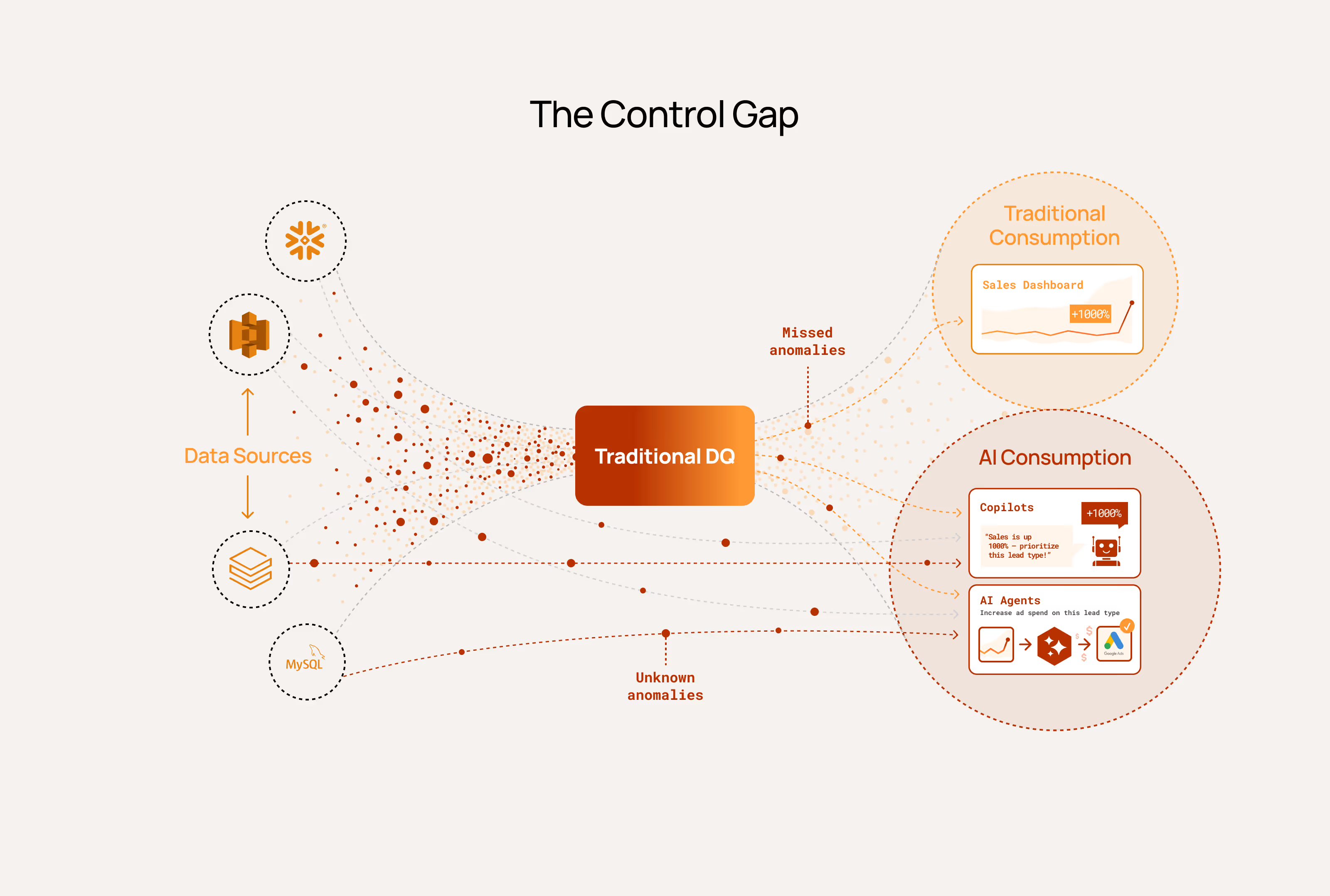
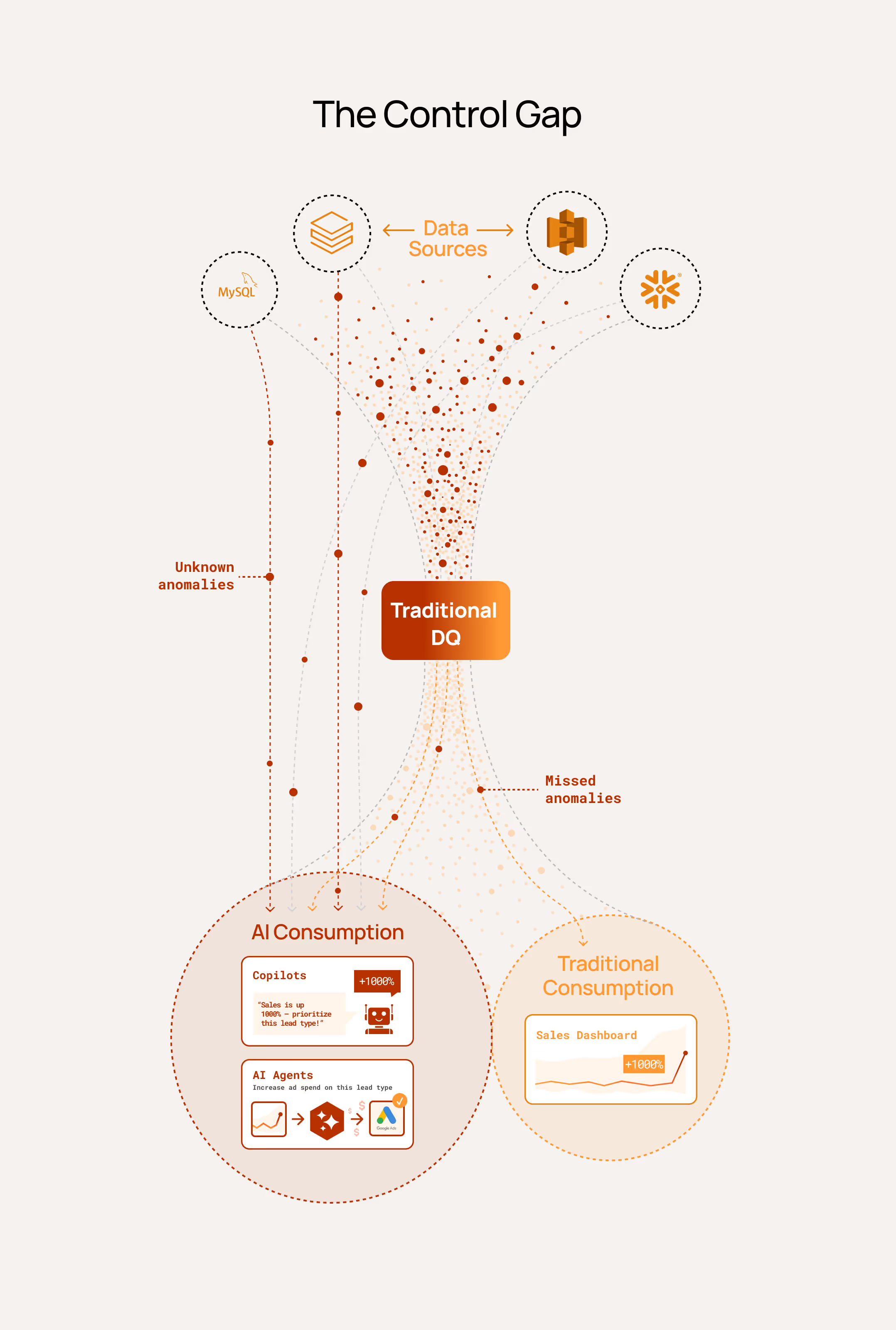
Context without control creates risk.
Every data leader knows the pattern: issues discovered downstream, teams scrambling to diagnose them, decisions already made on bad inputs. Now copilots and agents depend on that same data and context to reason and act, propagating errors at machine speed before anyone notices. Traditional data quality wasn't built to control context at the point of use.

The Solution
The Data Control Layer for Trusted Context
Qualytics enables validate-at-use, where data is evaluated before it drives decisions and applied as a set of controls in real time.
By continuously evaluating data as it is used, Qualytics produces governed signals that determine whether systems should proceed, flag issues, or prevent actions entirely. This ensures the context behind every decision is trusted when it matters.
Augmented Data Quality
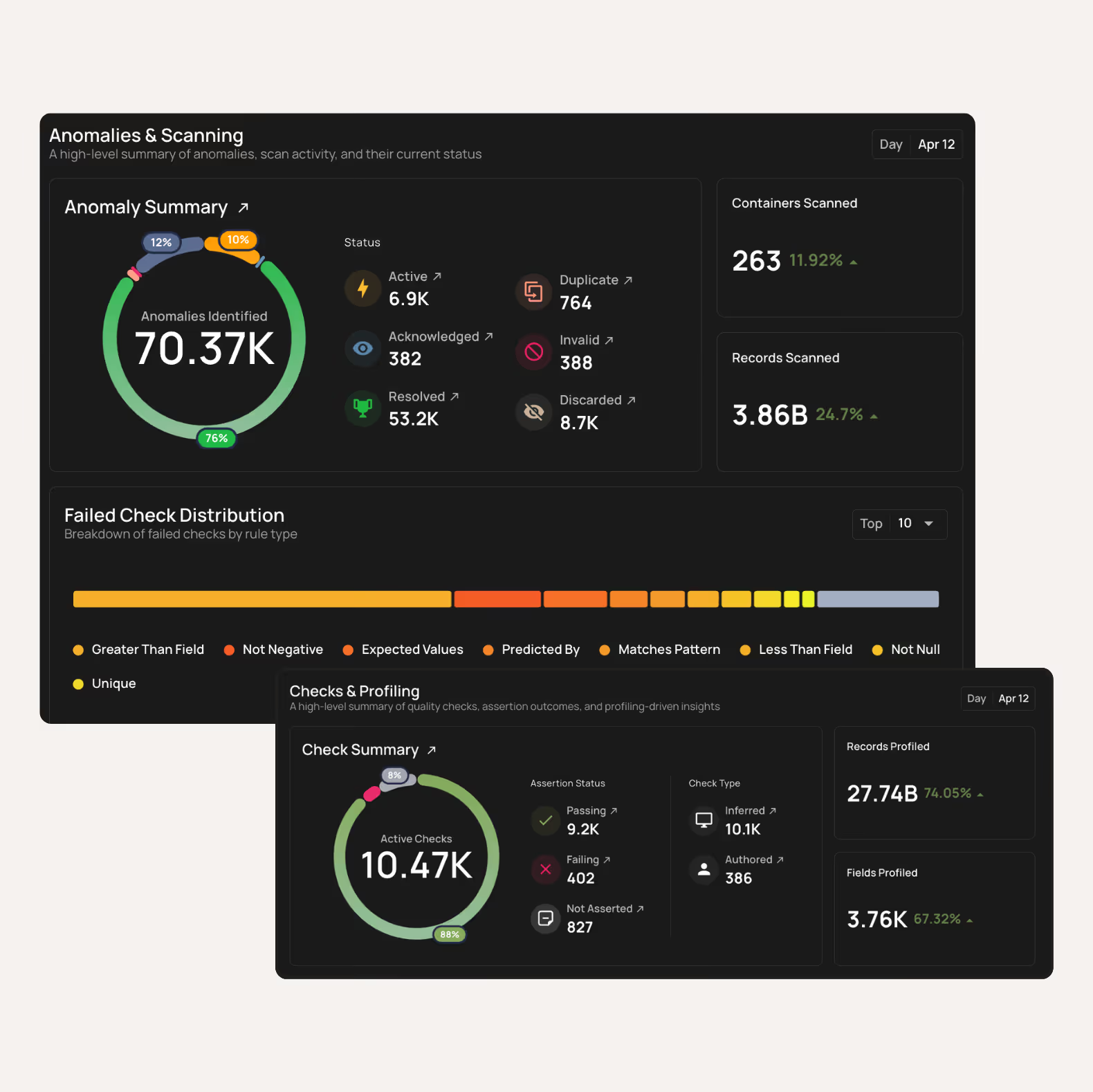
AI learns how your data behaves and generates rules automatically, adapting as data evolves. Your teams define what good looks like and guide governance. The result is broad, continuously improving coverage without the manual effort that limits most data quality programs.
Built for Humans and AI
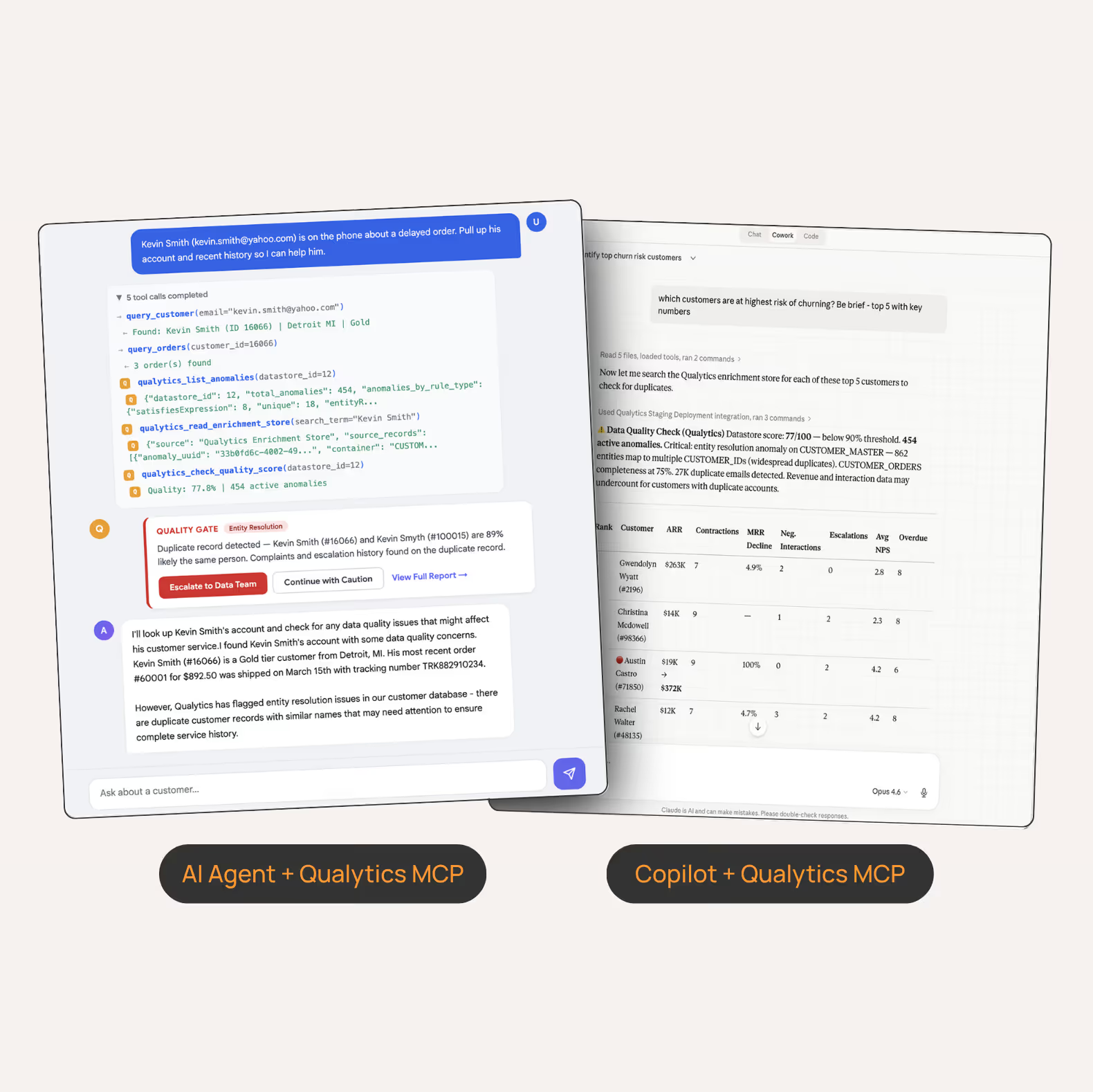
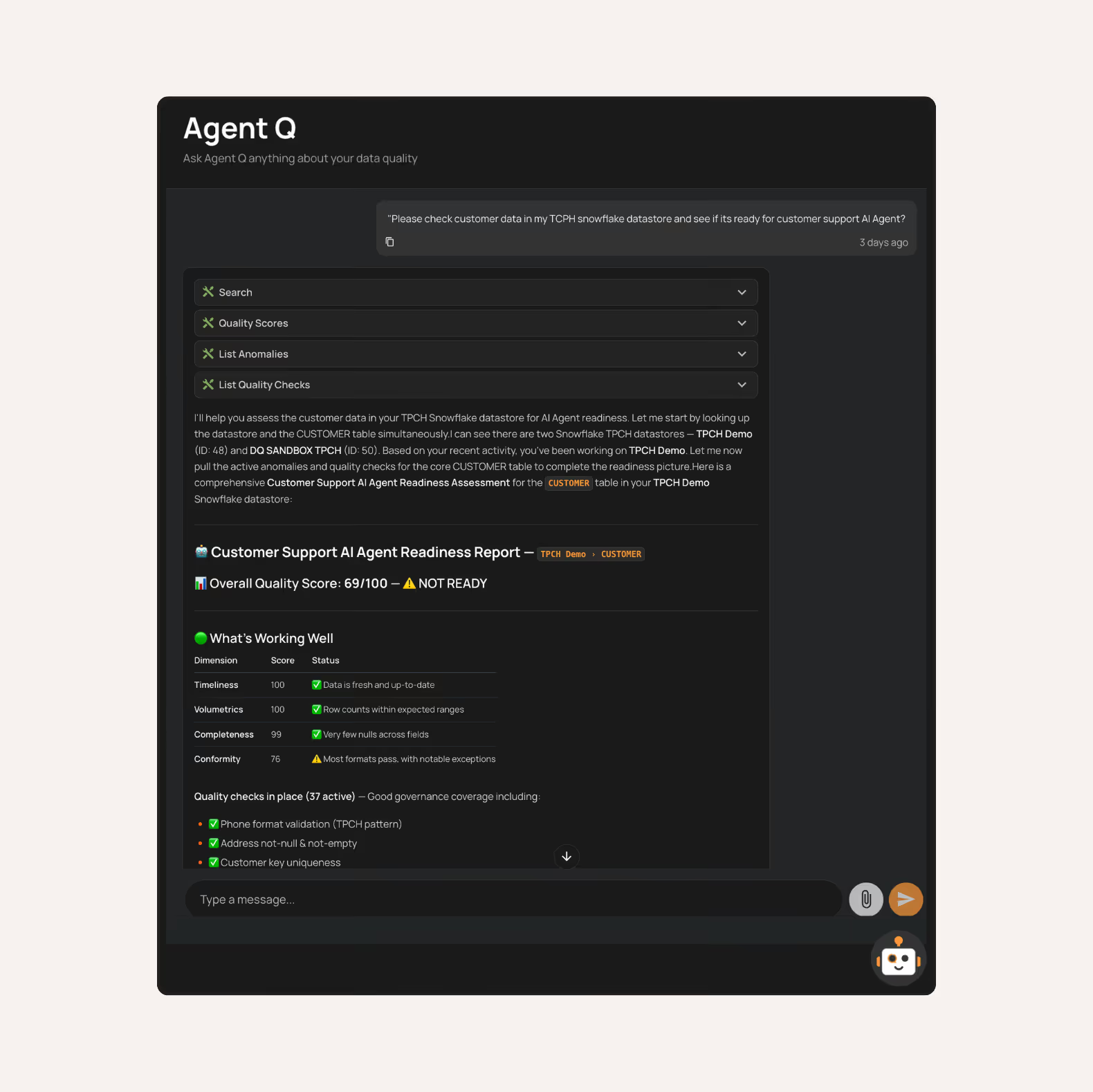
Business teams, data teams, and AI systems work on the same governed foundation for data quality. Teams investigate anomalies, define rules, and explore metadata through our low-code interface, while AgentQ makes governance accessible through natural language. Copilots and agents access the same governed context without requiring separate systems or parallel workflows.
Trusted Context at Use
Data quality is applied as real-time controls across analytics, applications, agents, and AI workflows, shaping how data is used. Copilots and agents are first-class citizens able to access quality signals through MCP, API, and real-time interfaces.
This makes validate-at-use possible, moving data quality from downstream checks to a system that actively governs how insights are generated and actions are taken.
How It Works
Qualytics operates as a continuous data control layer across how data is created, transformed, and used. It learns how data behaves and maintains coverage as data evolves. Control is applied wherever data is used, guided by business context from your teams.
Step 1
Profile & Understand Your Data
Qualytics connects to your data sources and learns how your data behaves by identifying patterns, relationships, and expected structures.
Step 2
Generate & Maintain Coverage
Qualytics AI automatically infers and maintains data quality rules as data evolves, while teams guide the system with business context.
Step 3
Continuosly Monitor Quality
Data is continuously evaluated against learned patterns and expectations, producing quality signals that determine whether data is fit for purpose.
Step 4
Act on Quality Signals
Quality signals are applied as controls wherever data is used. Humans, copilots, and agents evaluate whether data is fit for purpose before generating insights or taking action.
The Results
Enterprises use Qualytics to operationalize trusted data at scale.
20x ROI
in year one, by automating over 20K data-quality rules
$3.67M
projected savings, reclaiming thousands of engineering hours
4x faster remediation
with 50+ business users resolving anomalies alongside data teams
1.5 FTEs
running a global DQ program, estimated 5x team efficiency
Act on trusted data, every time.
Control the context powering your analytics, AI, and operations.

Discover more insights from the Qualytics team
.avif)
Introducing Recipes: from duplicates and mismatches to golden records, in one session
Entity resolution and data reconciliation, configured end-to-end in under three minutes.

CEO Gorkem Sevinc on Data Quality, Ownership, and AI Governance
Qualytics CEO discusses why data quality is a business problem, and why AI needs human oversight.
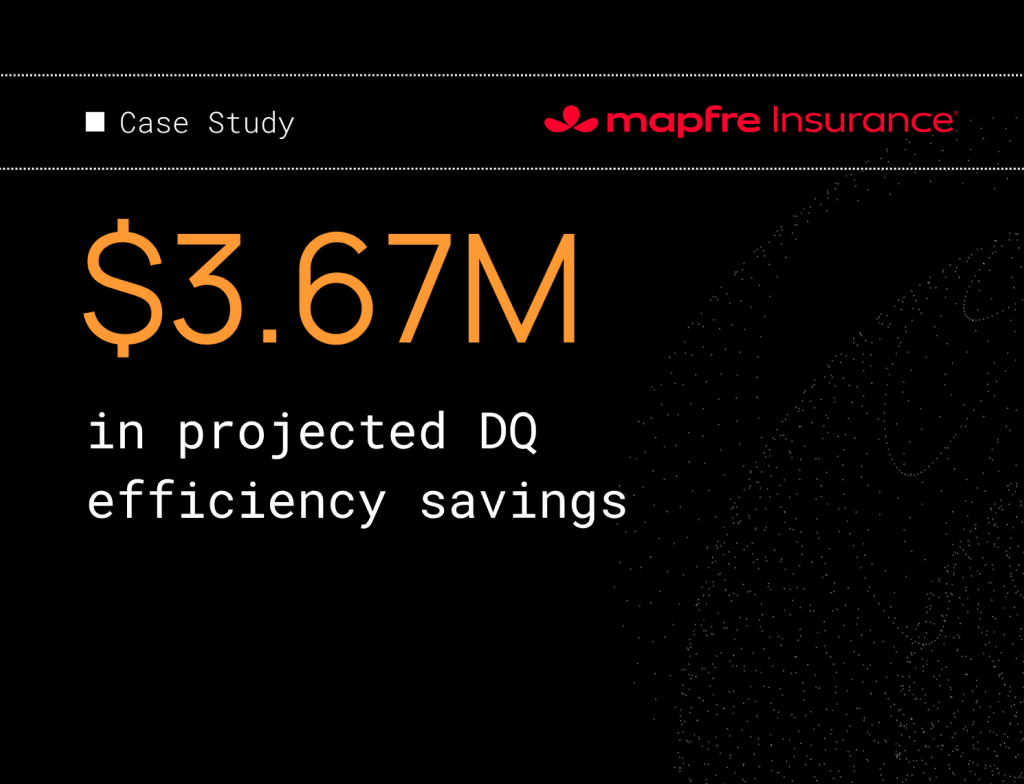
Catching Hidden Data Quality Errors Before They Cost Millions: MAPFRE USA + Qualytics
Shifted from reactive cleanup to proactive controls, preventing costly downstream data errors.